Best Hacks for Task Optimization Using Modern Productivity Apps
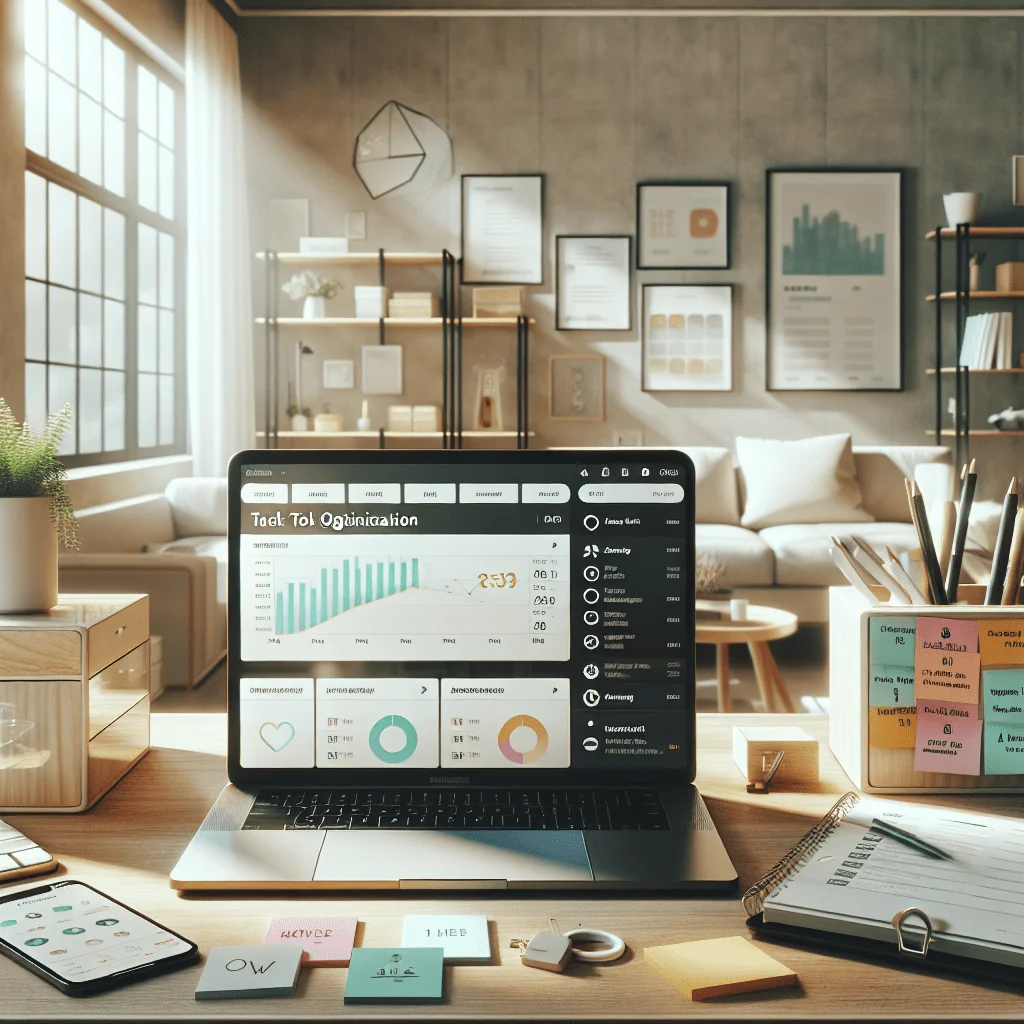
The best hacks for task optimization today come from using the right mix of productivity apps, not from working longer hours. A smart tool stack can cut friction, reduce context switching, and keep your tasks, notes, and deadlines in sync. The key is knowing which apps to pick, how they work together, and which features actually matter.
This guide walks through a practical, tool-focused approach to task optimization. You will see how to choose a to-do list, note-taking system, calendar, time tracker, focus timer, project manager, and more, plus simple hacks for making them work as one clean workflow.
Start With the Core: Tasks, Notes, and Calendar in Sync
Before adding advanced tools, you need a solid base. The core of any task optimization system is a to-do list, a note-taking app for work, and a calendar that truly reflects your time.
Think of these as three views of the same work: what you must do (tasks), what you must remember (notes), and when you will do it (calendar). The best hacks come from reducing gaps between these three.
Choosing the Best To-Do List App for Your Brain
The best to-do list app is the one you will open every day without effort. For some people that means a simple list with due dates. Others need projects, tags, and recurring tasks. Look for features like quick capture, natural language input for dates, and clear priority flags.
For task optimization, avoid keeping tasks in multiple apps. Pick one main to-do list and send everything there, even small personal items. This reduces mental load and makes reviews easier.
The Best Note Taking App for Work: Notion vs Obsidian vs Evernote
Work notes are where ideas, meeting minutes, and reference material live. Notion, Obsidian, and Evernote are three of the most popular options, each with a different style and structure.
Notion works well for teams and structured documents, with databases, templates, and shared pages. Obsidian focuses on linked notes and local files, which suits deep thinkers and knowledge workers. Evernote offers fast capture, simple notebooks, and strong search across many note types.
For task optimization, choose based on how you think: if you like structured systems and collaboration, Notion is strong. If you think in connections and networks of ideas, Obsidian fits. If you want a simple, searchable cabinet, Evernote still works well for daily work.
Best App for Managing Tasks and Calendar Together
One of the best hacks for task optimization is time blocking: assigning tasks to actual time slots. For this, an app that combines tasks and calendar is powerful. Some calendar apps let you drag tasks into your schedule, turning them into events.
Look for an app that shows tasks beside your calendar and supports drag-and-drop planning. This helps you see if your to-do list matches your real capacity and prevents overbooking your day.
Optimizing Your Schedule: Best Calendar App for Mac and Beyond
Many people use the calendar as a passive record of meetings. For task optimization, you need an active planning tool. The best calendar app for Mac or any platform should make time blocking simple and fast.
Helpful features include natural language event creation, multiple calendar views, color coding, and easy rescheduling. Integration with your task app or email client is also a strong plus for daily planning.
Time Awareness: Best Time Tracking and Focus Timer Apps
Most people underestimate how long work actually takes. Time tracking and focus timers give feedback that helps you plan better and avoid overload. You do not need to track every minute forever, but short periods of tracking can reveal patterns.
Best Time Tracking App for Honest Data
The best time tracking app should be easy enough that you do not resist using it. Look for one-click start and stop, simple project labels, and clear reports. Automatic tracking can help, but manual control often gives more accurate context for each task.
Use time tracking in short sprints, for example one or two weeks, to learn how long common tasks take. Then adjust your planning and deadlines based on real data instead of guesses.
Best Focus Timer App Using the Pomodoro Technique
A focus timer is one of the simplest hacks for task optimization. Many people use a Pomodoro-style timer: 25 minutes of deep work followed by a short break. The best focus timer app Pomodoro-style keeps the interface clean and distractions low.
Choose a timer that lets you set custom intervals, track completed sessions, and mute alerts when needed. Use the timer for tasks that attract distractions, such as email, writing, or coding. Over time, your brain links the timer with focus, which makes starting easier.
Managing Bigger Workloads: Best Project Management Tool for Small Teams
Once tasks grow beyond a single person, you need a project management tool. For small teams, the best tool is one that everyone actually uses. Trello, Asana, and ClickUp are three common options with different strengths that shape how work flows.
Trello vs Asana vs ClickUp for Task Optimization
Trello uses boards and cards and feels very visual. It is good for simple workflows and teams new to project tools. Asana supports more structure, with projects, sections, and timelines. It suits teams with many dependencies and shared due dates. ClickUp aims to be an all-in-one workspace with tasks, docs, goals, and more in one place.
For task optimization, pick the lightest tool that still covers your needs. If your team resists complex setups, Trello might be best. If you manage many projects with shared deadlines, Asana or ClickUp could serve you better. Keep the setup lean and review boards or lists weekly.
Quick comparison of popular productivity apps for core work functions:
| Need | Good Options | Best For |
|---|---|---|
| To-do list | Simple list apps, integrated task managers | Capturing and tracking daily tasks |
| Work notes | Notion, Obsidian, Evernote | Documentation, ideas, and meeting notes |
| Calendar | Mac calendar apps, cross-platform calendars | Time blocking and event planning |
| Project management | Trello, Asana, ClickUp | Team projects and shared workflows |
| Time and focus | Time trackers, Pomodoro timers | Measuring work and staying focused |
This table gives you a quick map from needs to categories, so you can choose the right type of app first, then test specific tools within that category instead of trying everything at once.
Security and Communication: Password Managers and Email Clients
Two silent productivity drains are password problems and messy email. Fixing these with the right apps can save more time than another to-do list hack and reduce daily frustration.
Best Password Manager for Fewer Interruptions
A good password manager reduces login friction and keeps your accounts safer. The best password manager stores strong, unique passwords, auto-fills them, and syncs across devices. This removes the need to reset passwords or dig through notes.
For task optimization, use the manager for work and personal accounts. Tag or group work-related logins to reach them faster during the day.
Best Email Client for Productivity
Email can swallow hours if you let it. The best email client for productivity offers fast search, keyboard shortcuts, filters, and snooze or send-later features. Some clients also add smart sorting or AI help to summarize threads.
Use your email client with clear routines: for example, process email two or three times a day, convert action emails into tasks in your to-do app, and archive messages once handled. This keeps your task system, not your inbox, as the source of truth.
Information Flow: AI Tools, Browser Extensions, and Document Scanners
Beyond the basics, a few targeted tools can streamline how information enters and leaves your system. These are small hacks that add up over time and reduce manual effort.
Best AI Tools for Productivity and Task Optimization
AI tools can help with drafting, summarizing, and organizing information. Use AI to turn meeting notes into action lists, summarize long documents, or draft routine emails. This frees time for higher-value work and deep focus.
The best hacks use AI as a helper, not a replacement for thinking. Always review outputs and feed them back into your note-taking or task apps in a clear format.
Best Browser Extensions for Productivity
Browser extensions can either distract or help. For task optimization, focus on extensions that block distracting sites, save articles to read later, capture tasks from any page, or fill passwords quickly.
Keep your extension list short. Remove anything you do not use weekly. Fewer tools mean fewer interruptions and lower mental noise.
Best Document Scanner App and Meeting Notes App
A document scanner app helps you turn paper into searchable digital files. The best document scanner app offers clear scans, text recognition, and easy export to your note or cloud storage app. Use it for receipts, whiteboards, and handouts.
For meetings, the best meeting notes app lets you capture points quickly, tag decisions, and link follow-up tasks. Some apps also support audio recording and transcription. The key hack is to always end notes with a clear action list and due dates, then send those actions to your main task manager.
Building a Productive Stack: How to Choose Productivity Tools
With so many options, choosing apps can become a distraction itself. A simple framework helps you pick tools that support real task optimization instead of adding noise to your day.
Use this short ordered checklist to guide your choices and avoid tool overload.
- Clarify your core needs: solo work, small team, students, or mixed.
- Pick one main app for tasks, one for notes, and one for calendar.
- Check integration so tasks, calendar, and email can share information.
- Test each tool on all devices you use daily, including mobile.
- Start with free plans before upgrading for advanced features.
- Limit your stack by removing tools that duplicate features.
- Review your setup every few months and adjust where needed.
This ordered list keeps selection simple and repeatable. You can run through it again whenever your work changes, instead of rebuilding your productivity stack from scratch.
Special Cases: Productivity Tools for Remote Work and Free Options
Remote work and student projects add a few extra needs: clear communication, shared documents, and easy access from anywhere. The right tools help keep everyone aligned without long email chains or constant status calls.
For remote teams, choose project management tools with comments, mentions, and simple file sharing. Combine these with a meeting notes app and a shared calendar so everyone sees deadlines and events. A good password manager is also vital for shared accounts and secure access.
Students and small teams on a budget can still build a strong stack with free productivity tools. Many to-do list apps, note apps, calendar apps, and focus timers offer generous free tiers. Start with free plans, learn what features you truly use, then pay only if you outgrow limits that block your work.
Putting the Best Hacks for Task Optimization into Practice
The best hacks for task optimization are less about tricks and more about systems. Choose one to-do list, one note app, one calendar, and connect them. Add time tracking, a focus timer, and a simple project tool for team work. Support all of this with a password manager, a smart email client, and a few focused AI tools and extensions.
Start small: adjust one part of your stack this week, such as adding a focus timer or integrating tasks with your calendar. Once that feels natural, improve the next piece. Over time, your apps will stop fighting your attention and start amplifying it, giving you a cleaner, calmer way to handle work.